by kavyabiju0616 | Jul 23, 2026 | Blog
Introduction
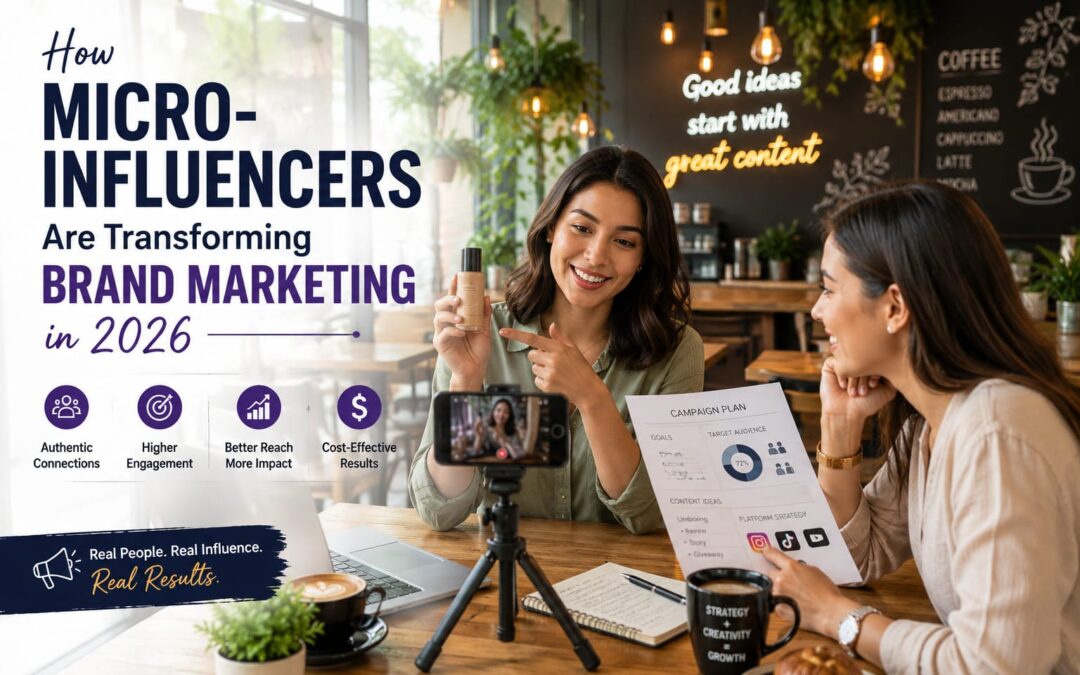
The world of digital marketing is evolving faster than ever, and businesses are constantly searching for innovative ways to connect with their target audience. Traditional advertising is no longer enough to build trust and encourage customers to make purchasing decisions. Today’s consumers want authentic recommendations from people they follow and trust. This is exactly why Micro-Influencer Marketing has become one of the most effective marketing strategies in 2026.
Unlike celebrity endorsements, micro-influencers create genuine relationships with their followers. Their recommendations feel natural, personal, and trustworthy, making them valuable partners for businesses of all sizes. Whether you’re a startup, a small business, or a well-established brand, collaborating with the right micro-influencers can help increase brand awareness, improve engagement, and generate high-quality leads.
If you’re looking to grow your business using proven Influencer Marketing strategies, visit https://kavzz.com to discover how expert influencer campaigns can help your brand reach the right audience.
What Is Micro-Influencer Marketing?
Micro-Influencer Marketing is a digital marketing strategy where brands collaborate with influencers who typically have between 10,000 and 100,000 followers on platforms like Instagram, YouTube, TikTok, LinkedIn, and Facebook. While they may have smaller audiences compared to celebrities, they often achieve much higher engagement because their followers trust their opinions and recommendations.
Micro-influencers usually specialize in a specific niche, such as fashion, beauty, fitness, travel, food, technology, parenting, education, or finance. Because they consistently create valuable content within their niche, they build loyal communities that actively interact with their posts.
For example, a bridal boutique in Chennai may benefit more from working with a local fashion influencer who has 30,000 engaged followers than with a celebrity who has millions of followers but lower engagement.
Why Micro-Influencers Matter More Than Ever
Consumer behavior has changed dramatically over the last few years. People have become more selective about the products they purchase and are less influenced by traditional advertisements. Instead, they rely on recommendations from creators they trust.
This shift has made Micro-Influencer Marketing one of the most successful ways for brands to build credibility and attract new customers.
Some key reasons why businesses are investing in micro-influencers include:
Higher engagement rates compared to larger influencers.
More authentic and relatable content.
Better audience targeting based on niche interests.
Affordable collaboration costs.
Increased trust among potential customers.
Stronger community relationships.
Higher conversion rates for products and services.
Businesses that prioritize authenticity over follower count are seeing better marketing results than ever before.
The Growing Importance of Authenticity
Modern consumers value honesty. They can easily recognize overly promotional content, which often leads to lower engagement. Micro-influencers succeed because they create content that feels genuine rather than scripted.
Instead of simply promoting products, they share personal experiences, styling tips, tutorials, reviews, and behind-the-scenes moments. This storytelling approach builds stronger emotional connections with their audience.
Brands that allow influencers to maintain their own creative style often receive better engagement and more meaningful conversations than brands that rely on highly polished advertisements.
Benefits, Choosing the Right Influencers & Campaign Strategies
One of the biggest advantages of Micro-Influencer Marketing is its ability to create genuine connections between brands and consumers. Unlike traditional advertisements that interrupt the customer experience, influencer content blends naturally into social media feeds. This makes people more likely to pay attention, engage with the content, and trust the recommendation.
Benefits of Micro-Influencer Marketing
- Higher Engagement Rates
Micro-influencers often achieve higher engagement than macro or celebrity influencers. Their followers actively like, comment, share, and interact with their content because they feel personally connected to the creator.
For businesses, this means your products or services receive more visibility, conversations, and potential customers.
- Cost-Effective Marketing
Not every business has a huge advertising budget. One of the biggest reasons companies invest in Micro-Influencer Marketing is affordability.
Instead of spending thousands on celebrity endorsements, brands can collaborate with multiple micro-influencers, reaching different audiences while staying within budget.
This approach often delivers a better return on investment (ROI).
- Better Audience Targeting
Every influencer has a unique audience.
For example:
Fashion influencers attract fashion enthusiasts.
Fitness influencers attract health-conscious audiences.
Travel influencers attract adventure lovers.
Technology influencers attract gadget enthusiasts.
Choosing influencers within your niche ensures your marketing reaches people who are genuinely interested in your products.
- Increased Brand Trust
Trust is one of the most valuable assets in modern marketing.
When an influencer genuinely recommends a product they’ve used, their audience is more likely to believe the recommendation. This trust can lead to higher website traffic, increased sales, and long-term customer loyalty.
Businesses looking to build authentic brand awareness can explore expert influencer marketing strategies at https://kavzz.com�.
How to Choose the Right Micro-Influencer
Finding the right influencer is just as important as creating a great campaign. A large follower count doesn’t always guarantee success. Instead, businesses should focus on quality, relevance, and engagement.
Here are some factors to consider:
Audience demographics that match your target customers.
Consistent engagement on posts.
High-quality and original content.
Authentic communication style.
Positive reputation and credibility.
Previous successful brand collaborations.
Choosing an influencer whose values align with your brand helps create campaigns that feel genuine and resonate with the audience.
Creating Successful Influencer Campaigns
A successful influencer campaign starts with clear goals. Before reaching out to influencers, define what you want to achieve.
Common campaign objectives include:
Increasing brand awareness.
Driving website traffic.
Promoting a product launch.
Generating leads.
Boosting online sales.
Growing social media followers.
Once your goals are clear, give influencers creative freedom. They understand their audience better than anyone, so allowing them to present your brand in their own style often leads to better engagement and stronger results.
Instead of asking influencers to create overly scripted content, encourage authentic storytelling through:
Product reviews
Behind-the-scenes content
Tutorials
Lifestyle photos
Unboxing videos
Day-in-the-life content
Live sessions
Q&A interactions
This type of content feels natural and builds stronger relationships with potential customers.
Measuring Campaign Success
After launching an influencer campaign, it’s important to measure performance. Key metrics include:
Engagement rate
Reach and impressions
Website clicks
Conversion rate
Sales generated
Audience growth
Return on investment (ROI)
Tracking these metrics helps businesses understand what works best and improve future campaigns.
Common Mistakes, Future Trends & Conclusion
As Micro-Influencer Marketing continues to evolve, brands must avoid common mistakes that can reduce the success of their campaigns. A well-planned influencer strategy focuses on building long-term relationships rather than one-time promotions. Consumers today appreciate authenticity, consistency, and transparency, making it essential for brands to choose partnerships wisely.
Common Mistakes to Avoid
Many businesses assume that choosing an influencer with the largest following will automatically deliver the best results. However, follower count alone doesn’t guarantee success. Engagement, audience relevance, and credibility are far more important.
Some common mistakes include:
- Focusing Only on Followers
A creator with 30,000 highly engaged followers can often generate better results than someone with 500,000 inactive followers. Always analyze engagement rates, comments, shares, and audience interaction before collaborating.
- Ignoring Audience Relevance
Even if an influencer has excellent engagement, their audience should match your business. For example, a beauty influencer may not be the right choice to promote B2B software, while a fashion influencer would be ideal for a clothing brand.
- Giving Overly Scripted Content
Consumers can easily recognize promotional content that feels forced. Allow influencers to communicate in their own voice while highlighting your key message. Authentic storytelling performs much better than scripted advertisements.
- Not Setting Campaign Goals
Every influencer campaign should have measurable objectives, such as:
Increasing website traffic
Growing social media followers
Generating qualified leads
Improving product sales
Building brand awareness
Without clear goals, it becomes difficult to measure success.
- Ignoring Performance Analytics
Successful brands continuously monitor campaign performance using metrics such as:
Reach
Engagement rate
Click-through rate (CTR)
Conversion rate
Sales generated
Return on Investment (ROI)
These insights help improve future campaigns and maximize marketing budgets.
Influencer Marketing Trends in 2026
The future of Influencer Marketing is becoming more personalized and data-driven. Brands are shifting their focus toward building long-term relationships with creators rather than one-off sponsored posts.
Some of the biggest trends include:
Long-term partnerships with micro-influencers
AI-powered influencer discovery tools
Short-form video content on Instagram Reels, YouTube Shorts, and TikTok
User-generated content (UGC)
Live shopping and livestream collaborations
Regional and local influencer campaigns
Community-focused brand building
Performance-based influencer partnerships
Businesses that adapt to these trends will stay ahead of their competitors while building stronger relationships with their audiences.
Why Businesses Should Invest in Micro-Influencer Marketing
Consumers today value trust more than traditional advertising. They prefer recommendations from creators they genuinely follow rather than promotional campaigns from large corporations.
This is why Micro-Influencer Marketing delivers exceptional results across industries including:
Fashion
Beauty
Fitness
Travel
Technology
Food
Education
Healthcare
Lifestyle
E-commerce
Whether you’re launching a new product or expanding your brand, influencer marketing provides an effective way to connect with the right audience.
If you’re ready to grow your business through strategic influencer collaborations, visit https://kavzz.com� to discover professional influencer marketing solutions tailored to your business goals.
Conclusion
Micro-Influencer Marketing has transformed the way businesses communicate with their customers. By focusing on authenticity, engagement, and niche audiences, brands can build stronger relationships, improve customer trust, and achieve long-term success.
As digital marketing continues to evolve in 2026, businesses that invest in meaningful influencer partnerships will gain a competitive advantage. Rather than chasing the biggest names, successful brands will collaborate with creators who genuinely connect with their communities.
Whether you’re a startup, a local business, or a global brand, now is the perfect time to embrace Micro-Influencer Marketing. The right strategy can increase brand awareness, drive quality traffic, generate leads, and turn loyal followers into lifelong customers.
For expert guidance, customized influencer campaigns, and digital marketing strategies that deliver measurable results, visit https://kavzz.com� and start growing your brand today.

by kavyabiju0616 | Jul 22, 2026 | Blog
Introduction
Micro Influencer Marketing has become one of the most effective digital marketing strategies for small businesses in 2026. Instead of investing large budgets in celebrity endorsements, brands are collaborating with micro-influencers who have loyal and highly engaged audiences. These creators build trust by sharing authentic experiences, making their recommendations more persuasive than traditional advertisements.
Whether you own a startup, an eCommerce store, or a local business, micro influencer marketing can help you increase brand awareness, attract your ideal customers, generate qualified leads, and boost sales without spending a fortune. As consumers increasingly value genuine recommendations, businesses that embrace micro influencer marketing gain a competitive advantage in today’s digital landscape.
In this comprehensive guide, you’ll learn what micro influencer marketing is, why it’s important, its benefits, how to find the right influencers, campaign strategies, common mistakes to avoid, and the latest trends shaping influencer marketing in 2026.
What is Micro Influencer Marketing?
Micro Influencer Marketing is a marketing strategy where businesses collaborate with social media creators who typically have between 10,000 and 100,000 followers. These influencers focus on specific niches such as fashion, beauty, fitness, technology, travel, finance, education, food, and lifestyle.
Unlike celebrity influencers, micro-influencers have smaller but more engaged communities. Their followers actively interact with their posts through likes, comments, shares, and direct messages because they trust the creator’s opinions and recommendations.
For example, if a skincare company partners with a beauty micro-influencer who regularly shares skincare routines and honest product reviews, their audience is much more likely to purchase the recommended products because the endorsement feels authentic.
Micro influencer marketing focuses on building relationships rather than simply reaching large audiences. This authenticity often leads to better engagement, higher conversion rates, and stronger customer loyalty.
Why Small Businesses Should Choose Micro Influencer Marketing
Many small businesses believe influencer marketing is expensive, but micro influencers make it affordable and highly effective.
One of the biggest advantages is cost-effectiveness. Instead of spending thousands of dollars on a celebrity endorsement, businesses can collaborate with several micro influencers within the same budget and reach multiple targeted audiences.
Micro influencers also have higher engagement rates than many larger creators. Their followers actively participate in conversations, trust their recommendations, and are more likely to purchase products they genuinely use.
Another important benefit is niche targeting. Businesses can partner with influencers whose audience matches their ideal customers. Whether you sell fitness equipment, beauty products, fashion accessories, technology gadgets, or professional services, there is a micro influencer whose audience aligns with your business.
As a result, businesses receive better-quality traffic, increased customer trust, improved brand awareness, and higher return on investment (ROI).
Key Benefits of Micro Influencer Marketing
- Higher Engagement Rates
Micro influencers build close relationships with their followers. Their content often receives more likes, comments, saves, and shares than posts from larger influencers, helping businesses increase visibility and customer interaction.
- Affordable Marketing Strategy
Small businesses usually operate with limited marketing budgets. Micro influencer marketing provides an affordable way to promote products without sacrificing quality or effectiveness.
- Authentic Brand Promotion
Consumers trust honest recommendations more than traditional advertisements. Since micro influencers create genuine content based on their personal experiences, their audience is more likely to believe their recommendations and make purchasing decisions.
- Better Audience Targeting
Instead of marketing to a broad audience, businesses can work with influencers whose followers are already interested in their products or services. This improves campaign performance and increases conversion rates.
- Improved Brand Awareness
How to Find the Right Micro Influencers
Finding the right influencer is one of the most important steps in building a successful Micro Influencer Marketing campaign. Choosing someone simply because they have a large number of followers is not enough. Instead, businesses should focus on creators whose audience matches their target market.
Start by identifying influencers in your niche. For example, if you sell fitness products, collaborate with fitness trainers or wellness creators. If your business focuses on beauty or skincare, choose influencers who regularly create beauty-related content. Their followers are already interested in these topics, making your campaign more effective.
Another important factor is the engagement rate. Look at the number of likes, comments, shares, and saves on an influencer’s posts. High engagement usually indicates that the audience trusts the creator and actively interacts with their content.
Always review the quality of the influencer’s content. Professional photos, informative videos, and well-written captions reflect credibility and improve your brand image. It is also important to check whether the influencer has worked with similar brands before and how their audience responded to those campaigns.
Finally, avoid influencers with fake followers. You can identify fake accounts by looking for unusually low engagement, repetitive comments, or sudden increases in follower count. Working with authentic creators ensures better campaign performance and a higher return on investment.
Creating a Successful Micro Influencer Marketing Campaign
Every successful campaign begins with clear goals. Before contacting influencers, decide what you want to achieve. Your objective may be increasing website traffic, generating leads, improving brand awareness, or boosting product sales.
Once your goals are defined, prepare a campaign brief. This document should include your brand story, campaign objectives, target audience, posting schedule, key messages, hashtags, and any important guidelines. However, avoid controlling every detail. Allow influencers the freedom to create content in their own style, as authentic content performs much better than scripted advertisements.
Provide influencers with everything they need to promote your product successfully, including product details, high-quality images, promotional codes, affiliate links, and campaign deadlines.
After the campaign begins, monitor important metrics such as impressions, engagement, clicks, website traffic, conversions, and sales. Analyzing these metrics helps you understand which strategies work best and how future campaigns can be improved.
Best Social Media Platforms for Micro Influencer Marketing
Different social media platforms serve different audiences. Choosing the right platform depends on your business goals and target customers.
Instagram is one of the most popular platforms for Micro Influencer Marketing because it focuses on visual content. It is perfect for fashion, beauty, travel, fitness, food, and lifestyle brands.
TikTok is ideal for businesses looking to reach younger audiences through creative and entertaining short-form videos. Viral content on TikTok can significantly increase brand awareness within a short period.
YouTube works well for product reviews, tutorials, demonstrations, and educational content. Since videos remain searchable for years, YouTube campaigns often provide long-term value.
LinkedIn has become an excellent platform for B2B influencer marketing. Marketing agencies, consultants, software companies, and business professionals use LinkedIn creators to establish authority and generate quality leads.
Facebook remains useful for local businesses and community engagement, while Reddit allows brands to participate in niche discussions where users actively seek honest product recommendations and experiences.
Building Long-Term Influencer Relationships
Many businesses make the mistake of working with an influencer only once. However, long-term partnerships usually produce better results. When creators consistently use and recommend your products, their audience develops greater trust in both the influencer and your brand.
Long-term collaborations also allow influencers to understand your brand values, making their content feel more natural and authentic. This consistency strengthens brand recognition, increases customer loyalty, and improves the overall effectiveness of your Micro Influencer Marketing strategy.
How to Find the Right Micro Influencers
Finding the right influencer is one of the most important steps in building a successful Micro Influencer Marketing campaign. Choosing someone simply because they have a large number of followers is not enough. Instead, businesses should focus on creators whose audience matches their target market.
Start by identifying influencers in your niche. For example, if you sell fitness products, collaborate with fitness trainers or wellness creators. If your business focuses on beauty or skincare, choose influencers who regularly create beauty-related content. Their followers are already interested in these topics, making your campaign more effective.
Another important factor is the engagement rate. Look at the number of likes, comments, shares, and saves on an influencer’s posts. High engagement usually indicates that the audience trusts the creator and actively interacts with their content.
Always review the quality of the influencer’s content. Professional photos, informative videos, and well-written captions reflect credibility and improve your brand image. It is also important to check whether the influencer has worked with similar brands before and how their audience responded to those campaigns.
Finally, avoid influencers with fake followers. You can identify fake accounts by looking for unusually low engagement, repetitive comments, or sudden increases in follower count. Working with authentic creators ensures better campaign performance and a higher return on investment.
Creating a Successful Micro Influencer Marketing Campaign
Every successful campaign begins with clear goals. Before contacting influencers, decide what you want to achieve. Your objective may be increasing website traffic, generating leads, improving brand awareness, or boosting product sales.
Once your goals are defined, prepare a campaign brief. This document should include your brand story, campaign objectives, target audience, posting schedule, key messages, hashtags, and any important guidelines. However, avoid controlling every detail. Allow influencers the freedom to create content in their own style, as authentic content performs much better than scripted advertisements.
Provide influencers with everything they need to promote your product successfully, including product details, high-quality images, promotional codes, affiliate links, and campaign deadlines.
After the campaign begins, monitor important metrics such as impressions, engagement, clicks, website traffic, conversions, and sales. Analyzing these metrics helps you understand which strategies work best and how future campaigns can be improved.
Best Social Media Platforms for Micro Influencer Marketing
Different social media platforms serve different audiences. Choosing the right platform depends on your business goals and target customers.
Instagram is one of the most popular platforms for Micro Influencer Marketing because it focuses on visual content. It is perfect for fashion, beauty, travel, fitness, food, and lifestyle brands.
TikTok is ideal for businesses looking to reach younger audiences through creative and entertaining short-form videos. Viral content on TikTok can significantly increase brand awareness within a short period.
YouTube works well for product reviews, tutorials, demonstrations, and educational content. Since videos remain searchable for years, YouTube campaigns often provide long-term value.
LinkedIn has become an excellent platform for B2B influencer marketing. Marketing agencies, consultants, software companies, and business professionals use LinkedIn creators to establish authority and generate quality leads.
Facebook remains useful for local businesses and community engagement, while Reddit allows brands to participate in niche discussions where users actively seek honest product recommendations and experiences.
Building Long-Term Influencer Relationships
Many businesses make the mistake of working with an influencer only once. However, long-term partnerships usually produce better results. When creators consistently use and recommend your products, their audience develops greater trust in both the influencer and your brand.
Long-term collaborations also allow influencers to understand your brand values, making their content feel more natural and authentic. This consistency strengthens brand recognition, increases customer loyalty, and improves the overall effectiveness of your Micro Influencer Marketing strategy.
If you’re looking to build a successful influencer marketing strategy, partnering with the right experts can make all the difference. At Kavzz (https://kavzz.com�), we help businesses connect with the right influencers, create impactful campaigns, and grow their brand online. Visit https://kavzz.com� to explore our influencer marketing services and discover how we can help your business succeed.
by kavyabiju0616 | Jul 21, 2026 | Blog
Introduction
Influencer Marketer strategies have become one of the most powerful ways for businesses to connect with their target audience. In today’s digital world, consumers trust recommendations from real people more than traditional advertisements. This shift has made influencer marketing an essential part of every successful digital marketing strategy.
One of the biggest challenges every Influencer Marketer faces is choosing between micro influencers and macro influencers. While both play an important role in promoting brands, they serve different purposes depending on campaign goals, audience size, and budget. Understanding these differences can help businesses maximize their return on investment (ROI) and build meaningful relationships with customers.
Whether you’re a startup, a small business, or an established company, selecting the right influencer can significantly impact your campaign’s success. Instead of focusing only on follower count, businesses should evaluate engagement, audience quality, authenticity, and relevance to their niche.
In this comprehensive guide, you’ll learn everything you need to know about micro and macro influencers, their advantages, disadvantages, and how an experienced Influencer Marketer can use them to achieve outstanding marketing results.
What Are Micro Influencers?
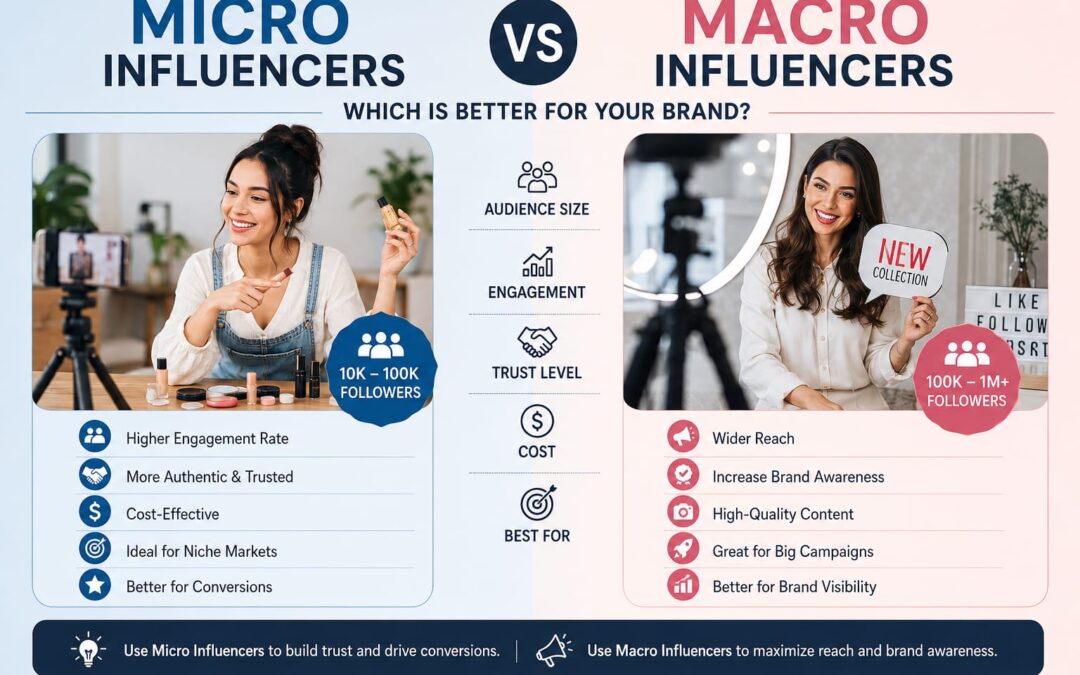
Micro influencers are social media creators with approximately 10,000 to 100,000 followers. They usually specialize in a particular niche such as fashion, beauty, travel, technology, food, fitness, parenting, finance, or lifestyle. Their followers are highly engaged because they see the influencer as relatable and trustworthy.
Unlike celebrities, micro influencers interact regularly with their audience by responding to comments, answering questions, and sharing authentic experiences. Because of this close connection, their recommendations often have a stronger impact on purchasing decisions.
For an Influencer Marketer, micro influencers are valuable because they can drive meaningful engagement and generate high-quality leads while staying within budget.
Benefits of Working with Micro Influencers
- Higher Engagement Rates
Micro influencers often receive more likes, comments, shares, and saves compared to larger creators. Their followers actively participate in discussions, making campaigns more interactive and effective.
- Greater Audience Trust
One of the biggest strengths of micro influencers is authenticity. Their content feels personal rather than promotional, making followers more likely to trust product recommendations.
- Affordable Marketing Solution
For startups and small businesses, collaborating with micro influencers is a cost-effective strategy. Instead of investing your entire budget in one creator, you can work with several micro influencers and reach multiple niche audiences.
- Better Niche Targeting
Most micro influencers focus on a specific industry. Whether you’re promoting skincare, fitness products, technology, or travel services, partnering with niche creators helps your message reach people who are genuinely interested in your products.
- Higher Conversion Potential
Because their followers trust them, micro influencers often generate better conversion rates. Customers are more likely to purchase products recommended by creators they genuinely admire.
Challenges of Micro Influencers
Although micro influencers offer many advantages, they also have a few limitations.
- Their audience size is smaller than macro influencers.
- Brands may need to collaborate with multiple creators to achieve wider reach.
- Content quality can vary depending on the creator’s experience.
- Managing several influencer partnerships requires additional time and planning.
However, for most businesses, these challenges are outweighed by the higher engagement and stronger customer relationships that micro influencers provide.
Why Businesses Choose Micro Influencers
Many successful brands now prioritize micro influencers because they create authentic content that resonates with audiences. Instead of simply promoting products, they share real-life experiences, tutorials, reviews, and honest opinions.
An experienced Influencer Marketer understands that genuine recommendations often outperform expensive celebrity endorsements. When businesses focus on building trust rather than chasing large follower counts, they are more likely to achieve long-term success.
In the next section, we’ll explore macro influencers, their strengths, and how they compare to micro influencers when planning successful influencer marketing campaigns.
What Are Macro Influencers?
Macro influencers are social media creators who typically have 100,000 to over 1 million followers. They have built a large online presence and often work with well-known brands across multiple platforms such as Instagram, YouTube, TikTok, Facebook, and LinkedIn. Many macro influencers create professional, high-quality content and have years of experience in influencer marketing.
For an Influencer Marketer, macro influencers are an excellent choice when the goal is to reach a large audience quickly and increase brand awareness. Their content often reaches thousands—or even millions—of people within a short period, making them ideal for major product launches and nationwide campaigns.
Benefits of Working with Macro Influencers
- Massive Audience Reach
The biggest advantage of macro influencers is their ability to expose your brand to a large audience. If your objective is to increase visibility and attract new customers, macro influencers can help your campaign gain significant attention.
- Professional Content Creation
Most macro influencers have experience producing high-quality content with professional photography, videography, editing, and storytelling. This helps brands present their products in a visually appealing and engaging way.
- Strong Brand Awareness
A successful Influencer Marketer knows that brand awareness is the first step in the customer journey. Macro influencers can introduce your business to thousands of potential customers who may not have heard of your brand before.
- Higher Credibility
Collaborating with well-known influencers can strengthen your brand image. Consumers often associate established creators with quality and reliability, which can increase confidence in your products or services.
- Multi-Platform Presence
Many macro influencers are active on several social media platforms. This allows brands to reach audiences across Instagram, YouTube, TikTok, Facebook, and LinkedIn through a single collaboration.
Challenges of Macro Influencers
Despite their advantages, macro influencers also have a few drawbacks.
- Collaboration costs are much higher.
- Engagement rates are often lower than micro influencers.
- Sponsored posts may feel less personal because they work with many brands.
- Smaller businesses may find macro influencer campaigns difficult to afford.
Because of these factors, an experienced Influencer Marketer carefully evaluates campaign goals before deciding whether a macro influencer is the right fit.
Micro vs. Macro Influencers: A Detailed Comparison
Choosing between micro and macro influencers depends on your marketing objectives. Here’s how they compare:
Feature| Micro Influencers| Macro Influencers
Followers| 10K–100K| 100K–1M+
Engagement Rate| High| Moderate
Audience Trust| Very High| High
Cost| Affordable| Expensive
Reach| Niche| Wide
Best For| Conversions & Engagement| Brand Awareness
ROI| Often Higher| Depends on Campaign Goals
Which Is Better for Small Businesses?
For startups and small businesses, micro influencers usually provide the best value. They offer authentic content, stronger engagement, and better conversion rates without requiring a large marketing budget.
Instead of investing in one expensive collaboration, businesses can work with multiple micro influencers to reach different niche audiences. This strategy often delivers better results and a higher return on investment.
Which Is Better for Large Brands?
Large companies often choose macro influencers because their priority is increasing brand awareness on a national or global scale. Macro influencers help businesses launch new products, reach millions of users, and create widespread visibility in a short period.
However, many successful brands don’t rely on just one type of influencer. They combine macro influencers for reach and micro influencers for engagement, creating a balanced and effective marketing strategy.
An experienced Influencer Marketer understands that the most successful campaigns are built on the right mix of influencers, clear objectives, and authentic content—not just follower count.
What Are Macro Influencers?
Macro influencers are social media creators who typically have 100,000 to over 1 million followers. They have built a large online presence and often work with well-known brands across multiple platforms such as Instagram, YouTube, TikTok, Facebook, and LinkedIn. Many macro influencers create professional, high-quality content and have years of experience in influencer marketing.
For an Influencer Marketer, macro influencers are an excellent choice when the goal is to reach a large audience quickly and increase brand awareness. Their content often reaches thousands—or even millions—of people within a short period, making them ideal for major product launches and nationwide campaigns.
Benefits of Working with Macro Influencers
- Massive Audience Reach
The biggest advantage of macro influencers is their ability to expose your brand to a large audience. If your objective is to increase visibility and attract new customers, macro influencers can help your campaign gain significant attention.
- Professional Content Creation
Most macro influencers have experience producing high-quality content with professional photography, videography, editing, and storytelling. This helps brands present their products in a visually appealing and engaging way.
- Strong Brand Awareness
A successful Influencer Marketer knows that brand awareness is the first step in the customer journey. Macro influencers can introduce your business to thousands of potential customers who may not have heard of your brand before.
- Higher Credibility
Collaborating with well-known influencers can strengthen your brand image. Consumers often associate established creators with quality and reliability, which can increase confidence in your products or services.
- Multi-Platform Presence
Many macro influencers are active on several social media platforms. This allows brands to reach audiences across Instagram, YouTube, TikTok, Facebook, and LinkedIn through a single collaboration.
Challenges of Macro Influencers
Despite their advantages, macro influencers also have a few drawbacks.
- Collaboration costs are much higher.
- Engagement rates are often lower than micro influencers.
- Sponsored posts may feel less personal because they work with many brands.
- Smaller businesses may find macro influencer campaigns difficult to afford.
Because of these factors, an experienced Influencer Marketer carefully evaluates campaign goals before deciding whether a macro influencer is the right fit.
Micro vs. Macro Influencers: A Detailed Comparison
Choosing between micro and macro influencers depends on your marketing objectives. Here’s how they compare:
Feature| Micro Influencers| Macro Influencers
Followers| 10K–100K| 100K–1M+
Engagement Rate| High| Moderate
Audience Trust| Very High| High
Cost| Affordable| Expensive
Reach| Niche| Wide
Best For| Conversions & Engagement| Brand Awareness
ROI| Often Higher| Depends on Campaign Goals
Which Is Better for Small Businesses?
For startups and small businesses, micro influencers usually provide the best value. They offer authentic content, stronger engagement, and better conversion rates without requiring a large marketing budget.
Instead of investing in one expensive collaboration, businesses can work with multiple micro influencers to reach different niche audiences. This strategy often delivers better results and a higher return on investment.
Which Is Better for Large Brands?
Large companies often choose macro influencers because their priority is increasing brand awareness on a national or global scale. Macro influencers help businesses launch new products, reach millions of users, and create widespread visibility in a short period.
However, many successful brands don’t rely on just one type of influencer. They combine macro influencers for reach and micro influencers for engagement, creating a balanced and effective marketing strategy.
An experienced Influencer Marketer understands that the most successful campaigns are built on the right mix of influencers, clear objectives, and authentic content—not just follower count.
How to Choose the Right Influencer for Your Brand
Selecting the right influencer is one of the most important responsibilities of an Influencer Marketer. The success of your campaign depends not only on the influencer’s follower count but also on their audience quality, engagement, and alignment with your brand values.
Before choosing an influencer, ask yourself these questions:
- Who is my target audience?
- What is my campaign goal?
- What is my budget?
- Which social media platform does my audience use the most?
- Does the influencer create authentic and engaging content?
- Does their audience match my ideal customers?
By answering these questions, you can choose influencers who genuinely connect with your audience and deliver better marketing results.
Can You Combine Micro and Macro Influencers?
Absolutely! Many successful brands combine both micro and macro influencers in a single campaign.
For example, a fashion brand launching a new clothing collection may partner with a macro influencer to create excitement and reach a large audience. At the same time, several micro influencers can post honest reviews, styling videos, and real-life experiences that encourage people to purchase the products.
This combination helps brands gain maximum visibility while also building trust and increasing conversions.
Common Mistakes Every Influencer Marketer Should Avoid
Even experienced marketers can make mistakes. Here are some of the most common ones:
- Choosing Influencers Only by Follower Count
A large audience doesn’t always mean better results. Engagement and audience quality are often more important.
- Ignoring Engagement Rate
An influencer with fewer followers but high engagement can deliver better ROI than a creator with millions of inactive followers.
- Not Checking Audience Demographics
Always ensure the influencer’s audience matches your target market in terms of age, interests, and location.
- Focusing Only on One Platform
Different audiences use different platforms. Choose Instagram, TikTok, YouTube, LinkedIn, or Facebook based on where your potential customers are most active.
- Not Tracking Results
Every campaign should be measured using analytics. Without tracking performance, it’s difficult to know what worked and what needs improvement.
How to Measure the Success of an Influencer Marketing Campaign
Every Influencer Marketer should monitor campaign performance using important metrics such as:
- Reach
- Impressions
- Engagement Rate
- Website Traffic
- Click-Through Rate (CTR)
- Leads Generated
- Conversion Rate
- Sales
- Return on Investment (ROI)
- Brand Mentions
- Follower Growth
Tracking these metrics allows businesses to improve future campaigns and maximize their marketing budget.
Frequently Asked Questions (FAQs)
Are micro influencers better than macro influencers?
Not necessarily. Micro influencers usually have higher engagement and stronger audience trust, while macro influencers provide greater reach and brand awareness. The best choice depends on your campaign goals.
Which type of influencer offers the best ROI?
For many small and medium-sized businesses, micro influencers often deliver a better return on investment because of their authentic relationships with followers.
Can small businesses use influencer marketing?
Yes. Influencer marketing is one of the most cost-effective strategies for startups and small businesses. Working with micro influencers can help increase visibility, build trust, and drive sales without a large budget.
How does an Influencer Marketer choose the right influencer?
A professional Influencer Marketer evaluates audience demographics, engagement rate, content quality, niche relevance, authenticity, campaign goals, and budget before selecting an influencer.
Final Thoughts
Influencer marketing continues to shape the future of digital marketing, and choosing between micro and macro influencers is one of the most important decisions every Influencer Marketer will make. There is no universal answer because every brand has different goals, budgets, and target audiences.
Micro influencers are ideal for businesses looking to build trust, increase engagement, and generate conversions. Their authentic content and close relationship with followers make them valuable partners for niche campaigns.
Macro influencers, on the other hand, are perfect for brands aiming to maximize visibility, launch products, and reach a broader audience. Their professional content and extensive reach make them an excellent choice for large-scale campaigns.
The most successful strategy often combines both. By using macro influencers for awareness and micro influencers for engagement, brands can create balanced campaigns that deliver impressive long-term results.
Whether you’re a startup or an established business, investing in the right influencer partnerships can help you strengthen your brand, connect with your audience, and achieve sustainable growth.
If you’re looking for expert Influencer Marketer services, proven influencer marketing strategies, and actionable digital marketing insights, visit https://kavzz.com. At Kavzz, we help businesses connect with the right influencers, create meaningful partnerships, and build successful campaigns that deliver measurable results.
Start your influencer marketing journey today and discover how the right strategy can take your brand to the next level.
by kavyabiju0616 | Jul 20, 2026 | Blog
Introduction
In today’s digital world, consumers are constantly exposed to advertisements across social media, search engines, websites, and streaming platforms. With so much promotional content competing for attention, people have become more selective about what they trust. Instead of relying solely on traditional advertising, they often look to influencers for genuine recommendations, product reviews, and buying advice. This shift has made influencer marketing one of the most effective digital marketing strategies for businesses of all sizes.
Influencer marketing is the practice of partnering with content creators who have built loyal and engaged audiences on platforms such as Instagram, TikTok, YouTube, LinkedIn, Facebook, and X. These creators help brands reach potential customers through authentic content that feels more personal than conventional advertisements.
Whether you’re launching a new product, increasing brand awareness, driving website traffic, or boosting sales, influencer marketing can help you achieve your goals. However, successful campaigns require more than simply choosing an influencer with a large following. Brands need the right strategy, clear objectives, and meaningful collaborations to maximize their return on investment.
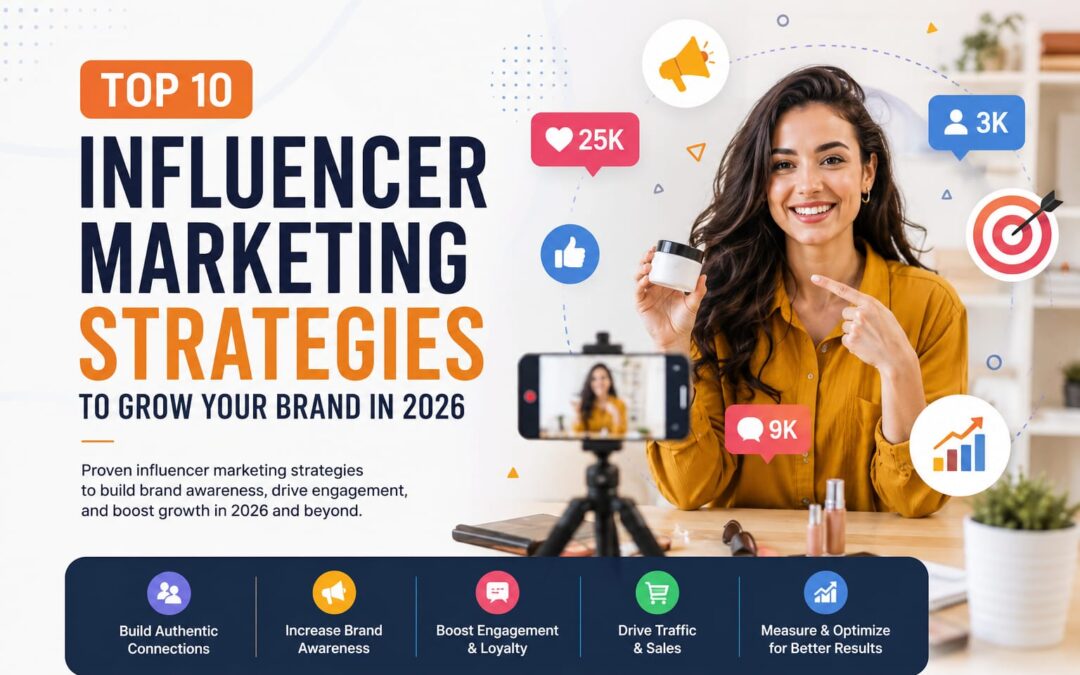
In this guide, you’ll discover the top 10 influencer marketing strategies that can help your business grow in 2026 and beyond.
- Choose the Right Influencers for Your Brand
The success of any influencer marketing campaign starts with selecting the right influencers. Many brands make the mistake of focusing only on follower count. While a large audience can increase visibility, it doesn’t always guarantee engagement or conversions.
Instead, evaluate influencers based on:
- Audience demographics
- Engagement rate
- Content quality
- Brand values
- Authenticity
- Past collaborations
Choose creators whose audience aligns with your target customers. For example, a fitness brand should partner with fitness coaches, gym enthusiasts, nutrition experts, or wellness creators instead of general lifestyle influencers.
Building partnerships with the right influencers increases trust, improves campaign performance, and delivers better business results.
- Work with Micro-Influencers
Micro-influencers typically have between 10,000 and 100,000 followers. Although their audience size is smaller than celebrities or macro influencers, they often generate significantly higher engagement because of their close relationships with followers.
Benefits of working with micro-influencers include:
- Higher engagement rates
- More authentic recommendations
- Better audience trust
- Lower campaign costs
- Improved conversion rates
For startups and small businesses, collaborating with several micro-influencers can often produce better results than investing the entire budget in one celebrity influencer.
- Set Clear Campaign Goals
Before launching any campaign, define exactly what success looks like. Clear goals help you measure results and optimize future campaigns.
Common influencer marketing goals include:
- Increasing brand awareness
- Driving website traffic
- Generating quality leads
- Boosting product sales
- Growing social media followers
- Increasing app downloads
- Promoting a product launch
Once your objectives are established, choose key performance indicators (KPIs) such as impressions, engagement rate, clicks, conversions, or revenue to evaluate campaign success.
A clear strategy ensures that every influencer partnership contributes to your overall business objectives.
- Prioritize Authentic Content
One of the biggest reasons influencer marketing works is authenticity. Audiences follow creators because they trust their opinions and appreciate their unique personalities.
Instead of providing influencers with rigid scripts, allow them the creative freedom to present your product in a way that feels natural to their audience. Authentic storytelling often performs much better than heavily promotional content.
Encourage influencers to:
- Share honest product experiences
- Demonstrate real-life use cases
- Create tutorials or reviews
- Post behind-the-scenes content
- Answer audience questions
- Share personal stories related to your brand
When audiences see genuine enthusiasm rather than forced promotion, they’re more likely to engage with the content and consider purchasing your product.
- Build Long-Term Influencer Partnerships
Many brands make the mistake of working with influencers only once. While one-time collaborations can create short-term buzz, long-term partnerships often produce stronger results. When an influencer consistently features your products or services, their audience begins to see your brand as trustworthy and reliable.
Long-term collaborations also help influencers become genuine advocates for your brand. Instead of appearing like a paid advertisement, their recommendations feel authentic because they have experience using your products over time. This consistency strengthens customer confidence and increases the likelihood of conversions.
To build successful long-term relationships:
Communicate openly with influencers.
Give them creative freedom.
Set clear expectations and campaign goals.
Offer fair compensation.
Review campaign performance together and improve future collaborations.
Brands that invest in long-term influencer relationships often enjoy higher engagement, better brand loyalty, and stronger returns on investment.
- Leverage Multiple Social Media Platforms
Every social media platform attracts a different audience and supports different content formats. Instead of focusing on a single platform, expand your influencer marketing campaigns across multiple channels to maximize your reach.
For example:
Instagram is ideal for lifestyle content, Reels, and Stories.
TikTok is perfect for short, engaging, and viral videos.
YouTube is excellent for detailed product reviews, tutorials, and unboxing videos.
LinkedIn works well for B2B marketing, professional services, and thought leadership.
Facebook helps brands connect with communities through posts, groups, and live videos.
Using multiple platforms allows your message to reach different audience segments while increasing brand visibility. However, avoid posting identical content everywhere. Tailor each campaign to match the platform’s audience and content style.
- Encourage User-Generated Content (UGC)
User-generated content (UGC) is one of the most valuable assets in influencer marketing. It includes photos, videos, reviews, testimonials, and social media posts created by customers or influencers featuring your products or services.
UGC offers several benefits:
Builds customer trust.
Provides authentic social proof.
Increases audience engagement.
Creates additional marketing content.
Helps improve conversion rates.
Encourage influencers to invite their followers to share their experiences using your products. You can also create branded hashtags, run contests, or feature customer content on your social media pages.
Consumers are more likely to trust recommendations from real people than traditional advertisements. Incorporating UGC into your marketing strategy helps strengthen your brand’s credibility while building an active community around your business.
- Measure Campaign Performance and ROI
A successful influencer marketing campaign doesn’t end after the content is published. Measuring campaign performance is essential for understanding what worked well and identifying opportunities for improvement.
Track key performance indicators (KPIs) such as:
Reach and impressions.
Engagement rate (likes, comments, and shares).
Website traffic.
Click-through rate (CTR).
Leads generated.
Product sales.
Return on Investment (ROI).
Using analytics tools and platform insights allows brands to evaluate campaign success accurately. Data-driven decisions help optimize future influencer partnerships and improve marketing efficiency.
Grow Your Business with Kavzz
If you’re looking to grow your business through influencer marketing, Kavzz is here to help. We specialize in connecting brands with trusted influencers to create authentic campaigns that increase brand awareness, improve customer engagement, and drive measurable business growth.
Our team works closely with businesses to develop customized influencer marketing strategies that deliver real results. From identifying the right creators and managing campaigns to tracking performance and optimizing ROI, Kavzz provides end-to-end influencer marketing solutions tailored to your business goals.
Visit us: https://kavzz.com�
- Use AI and Data Analytics
Artificial intelligence (AI) is transforming influencer marketing by making campaigns smarter, faster, and more effective. Brands can now use AI-powered tools to identify the best influencers, analyze audience demographics, predict campaign performance, and measure results with greater accuracy.
AI also helps businesses detect fake followers, monitor engagement quality, and optimize content strategies. By using data analytics, brands can understand customer behavior, identify trends, and make informed marketing decisions. Instead of relying on assumptions, AI provides valuable insights that improve campaign performance and maximize return on investment (ROI).
Businesses that embrace AI-driven influencer marketing gain a competitive advantage by creating personalized campaigns that connect with the right audience at the right time.
- Stay Updated with Industry Trends
The digital marketing landscape changes rapidly, and influencer marketing is no exception. New social media platforms, algorithm updates, and consumer preferences constantly shape how brands communicate with their audiences.
Successful businesses stay informed by following industry news, learning from successful campaigns, attending webinars, and adapting to new technologies. Trends such as short-form videos, live streaming, AI-generated content, and user-generated content continue to influence how brands engage with customers.
Remaining flexible and innovative ensures your influencer marketing strategy stays relevant and delivers consistent results in an ever-changing digital world.
Why Choose Kavzz?
At Kavzz, we help businesses grow through strategic influencer marketing campaigns that build trust, increase visibility, and generate measurable results. Our experienced team connects brands with the right influencers across platforms like Instagram, YouTube, TikTok, LinkedIn, and Facebook.
Our services include:
Influencer Discovery and Outreach
Campaign Planning and Management
Social Media Marketing
Brand Collaborations
Content Strategy
Performance Tracking and Analytics
Whether you’re launching a new business or expanding an established brand, Kavzz provides customized influencer marketing solutions designed to achieve your business goals.
🌐 Visit our website: https://kavzz.com
Conclusion
Influencer marketing has become one of the most powerful tools for businesses looking to build brand awareness, connect with customers, and increase sales. By choosing the right influencers, setting clear goals, creating authentic content, building long-term partnerships, leveraging multiple platforms, encouraging user-generated content, measuring campaign performance, using AI, and staying updated with industry trends, brands can create highly successful marketing campaigns.
Success in influencer marketing is not just about reaching more people—it’s about building meaningful relationships that create trust and long-term customer loyalty. As digital marketing continues to evolve, businesses that invest in well-planned influencer marketing strategies will be better positioned for sustainable growth.
If you’re ready to grow your brand with expert influencer marketing solutions, Kavzz is here to help. Visit https://kavzz.com to learn more about our services and start your influencer marketing journey today.
Frequently Asked Questions (FAQs)
- What is influencer marketing?
Influencer marketing is a strategy where brands collaborate with content creators to promote products or services to their audience.
- Why is influencer marketing effective?
It builds trust, increases brand awareness, improves engagement, and helps businesses reach highly targeted audiences.
- Which platform is best for influencer marketing?
It depends on your audience. Instagram, TikTok, YouTube, LinkedIn, and Facebook all offer unique opportunities for different industries.
- Can small businesses benefit from influencer marketing?
Yes. Small businesses often achieve excellent results by partnering with micro-influencers who have highly engaged audiences.
- How can Kavzz help my business?
Kavzz offers end-to-end influencer marketing solutions, including influencer selection, campaign management, content strategy, and performance analysis to help businesses achieve measurable growth.
——————————————–