Introduction
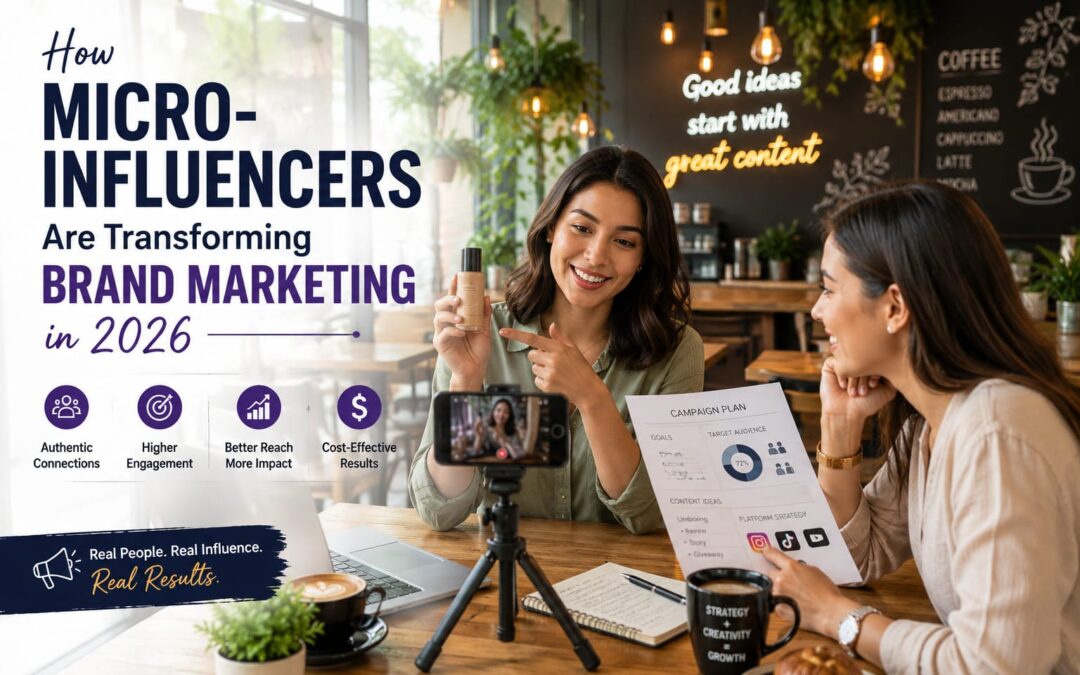
The world of digital marketing is evolving faster than ever, and businesses are constantly searching for innovative ways to connect with their target audience. Traditional advertising is no longer enough to build trust and encourage customers to make purchasing decisions. Today’s consumers want authentic recommendations from people they follow and trust. This is exactly why Micro-Influencer Marketing has become one of the most effective marketing strategies in 2026.
Unlike celebrity endorsements, micro-influencers create genuine relationships with their followers. Their recommendations feel natural, personal, and trustworthy, making them valuable partners for businesses of all sizes. Whether you’re a startup, a small business, or a well-established brand, collaborating with the right micro-influencers can help increase brand awareness, improve engagement, and generate high-quality leads.
If you’re looking to grow your business using proven Influencer Marketing strategies, visit https://kavzz.com to discover how expert influencer campaigns can help your brand reach the right audience.
What Is Micro-Influencer Marketing?
Micro-Influencer Marketing is a digital marketing strategy where brands collaborate with influencers who typically have between 10,000 and 100,000 followers on platforms like Instagram, YouTube, TikTok, LinkedIn, and Facebook. While they may have smaller audiences compared to celebrities, they often achieve much higher engagement because their followers trust their opinions and recommendations.
Micro-influencers usually specialize in a specific niche, such as fashion, beauty, fitness, travel, food, technology, parenting, education, or finance. Because they consistently create valuable content within their niche, they build loyal communities that actively interact with their posts.
For example, a bridal boutique in Chennai may benefit more from working with a local fashion influencer who has 30,000 engaged followers than with a celebrity who has millions of followers but lower engagement.
Why Micro-Influencers Matter More Than Ever
Consumer behavior has changed dramatically over the last few years. People have become more selective about the products they purchase and are less influenced by traditional advertisements. Instead, they rely on recommendations from creators they trust.
This shift has made Micro-Influencer Marketing one of the most successful ways for brands to build credibility and attract new customers.
Some key reasons why businesses are investing in micro-influencers include:
Higher engagement rates compared to larger influencers.
More authentic and relatable content.
Better audience targeting based on niche interests.
Affordable collaboration costs.
Increased trust among potential customers.
Stronger community relationships.
Higher conversion rates for products and services.
Businesses that prioritize authenticity over follower count are seeing better marketing results than ever before.
The Growing Importance of Authenticity
Modern consumers value honesty. They can easily recognize overly promotional content, which often leads to lower engagement. Micro-influencers succeed because they create content that feels genuine rather than scripted.
Instead of simply promoting products, they share personal experiences, styling tips, tutorials, reviews, and behind-the-scenes moments. This storytelling approach builds stronger emotional connections with their audience.
Brands that allow influencers to maintain their own creative style often receive better engagement and more meaningful conversations than brands that rely on highly polished advertisements.
Benefits, Choosing the Right Influencers & Campaign Strategies
One of the biggest advantages of Micro-Influencer Marketing is its ability to create genuine connections between brands and consumers. Unlike traditional advertisements that interrupt the customer experience, influencer content blends naturally into social media feeds. This makes people more likely to pay attention, engage with the content, and trust the recommendation.
Benefits of Micro-Influencer Marketing
- Higher Engagement Rates
Micro-influencers often achieve higher engagement than macro or celebrity influencers. Their followers actively like, comment, share, and interact with their content because they feel personally connected to the creator.
For businesses, this means your products or services receive more visibility, conversations, and potential customers. - Cost-Effective Marketing
Not every business has a huge advertising budget. One of the biggest reasons companies invest in Micro-Influencer Marketing is affordability.
Instead of spending thousands on celebrity endorsements, brands can collaborate with multiple micro-influencers, reaching different audiences while staying within budget.
This approach often delivers a better return on investment (ROI). - Better Audience Targeting
Every influencer has a unique audience.
For example:
Fashion influencers attract fashion enthusiasts.
Fitness influencers attract health-conscious audiences.
Travel influencers attract adventure lovers.
Technology influencers attract gadget enthusiasts.
Choosing influencers within your niche ensures your marketing reaches people who are genuinely interested in your products. - Increased Brand Trust
Trust is one of the most valuable assets in modern marketing.
When an influencer genuinely recommends a product they’ve used, their audience is more likely to believe the recommendation. This trust can lead to higher website traffic, increased sales, and long-term customer loyalty.
Businesses looking to build authentic brand awareness can explore expert influencer marketing strategies at https://kavzz.com�.
How to Choose the Right Micro-Influencer
Finding the right influencer is just as important as creating a great campaign. A large follower count doesn’t always guarantee success. Instead, businesses should focus on quality, relevance, and engagement.
Here are some factors to consider:
Audience demographics that match your target customers.
Consistent engagement on posts.
High-quality and original content.
Authentic communication style.
Positive reputation and credibility.
Previous successful brand collaborations.
Choosing an influencer whose values align with your brand helps create campaigns that feel genuine and resonate with the audience.
Creating Successful Influencer Campaigns
A successful influencer campaign starts with clear goals. Before reaching out to influencers, define what you want to achieve.
Common campaign objectives include:
Increasing brand awareness.
Driving website traffic.
Promoting a product launch.
Generating leads.
Boosting online sales.
Growing social media followers.
Once your goals are clear, give influencers creative freedom. They understand their audience better than anyone, so allowing them to present your brand in their own style often leads to better engagement and stronger results.
Instead of asking influencers to create overly scripted content, encourage authentic storytelling through:
Product reviews
Behind-the-scenes content
Tutorials
Lifestyle photos
Unboxing videos
Day-in-the-life content
Live sessions
Q&A interactions
This type of content feels natural and builds stronger relationships with potential customers.
Measuring Campaign Success
After launching an influencer campaign, it’s important to measure performance. Key metrics include:
Engagement rate
Reach and impressions
Website clicks
Conversion rate
Sales generated
Audience growth
Return on investment (ROI)
Tracking these metrics helps businesses understand what works best and improve future campaigns.
Common Mistakes, Future Trends & Conclusion
As Micro-Influencer Marketing continues to evolve, brands must avoid common mistakes that can reduce the success of their campaigns. A well-planned influencer strategy focuses on building long-term relationships rather than one-time promotions. Consumers today appreciate authenticity, consistency, and transparency, making it essential for brands to choose partnerships wisely.
Common Mistakes to Avoid
Many businesses assume that choosing an influencer with the largest following will automatically deliver the best results. However, follower count alone doesn’t guarantee success. Engagement, audience relevance, and credibility are far more important.
Some common mistakes include:
- Focusing Only on Followers
A creator with 30,000 highly engaged followers can often generate better results than someone with 500,000 inactive followers. Always analyze engagement rates, comments, shares, and audience interaction before collaborating. - Ignoring Audience Relevance
Even if an influencer has excellent engagement, their audience should match your business. For example, a beauty influencer may not be the right choice to promote B2B software, while a fashion influencer would be ideal for a clothing brand. - Giving Overly Scripted Content
Consumers can easily recognize promotional content that feels forced. Allow influencers to communicate in their own voice while highlighting your key message. Authentic storytelling performs much better than scripted advertisements. - Not Setting Campaign Goals
Every influencer campaign should have measurable objectives, such as:
Increasing website traffic
Growing social media followers
Generating qualified leads
Improving product sales
Building brand awareness
Without clear goals, it becomes difficult to measure success. - Ignoring Performance Analytics
Successful brands continuously monitor campaign performance using metrics such as:
Reach
Engagement rate
Click-through rate (CTR)
Conversion rate
Sales generated
Return on Investment (ROI)
These insights help improve future campaigns and maximize marketing budgets.
Influencer Marketing Trends in 2026
The future of Influencer Marketing is becoming more personalized and data-driven. Brands are shifting their focus toward building long-term relationships with creators rather than one-off sponsored posts.
Some of the biggest trends include:
Long-term partnerships with micro-influencers
AI-powered influencer discovery tools
Short-form video content on Instagram Reels, YouTube Shorts, and TikTok
User-generated content (UGC)
Live shopping and livestream collaborations
Regional and local influencer campaigns
Community-focused brand building
Performance-based influencer partnerships
Businesses that adapt to these trends will stay ahead of their competitors while building stronger relationships with their audiences.
Why Businesses Should Invest in Micro-Influencer Marketing
Consumers today value trust more than traditional advertising. They prefer recommendations from creators they genuinely follow rather than promotional campaigns from large corporations.
This is why Micro-Influencer Marketing delivers exceptional results across industries including:
Fashion
Beauty
Fitness
Travel
Technology
Food
Education
Healthcare
Lifestyle
E-commerce
Whether you’re launching a new product or expanding your brand, influencer marketing provides an effective way to connect with the right audience.
If you’re ready to grow your business through strategic influencer collaborations, visit https://kavzz.com� to discover professional influencer marketing solutions tailored to your business goals.
Conclusion
Micro-Influencer Marketing has transformed the way businesses communicate with their customers. By focusing on authenticity, engagement, and niche audiences, brands can build stronger relationships, improve customer trust, and achieve long-term success.
As digital marketing continues to evolve in 2026, businesses that invest in meaningful influencer partnerships will gain a competitive advantage. Rather than chasing the biggest names, successful brands will collaborate with creators who genuinely connect with their communities.
Whether you’re a startup, a local business, or a global brand, now is the perfect time to embrace Micro-Influencer Marketing. The right strategy can increase brand awareness, drive quality traffic, generate leads, and turn loyal followers into lifelong customers.
For expert guidance, customized influencer campaigns, and digital marketing strategies that deliver measurable results, visit https://kavzz.com� and start growing your brand today.